Healing Isn’t What People Think
People talk about healing as if it’s strength or progress. But inside, it often feels like uncertainty, exhaustion, and quiet survival. This is what healing has really looked like for me.

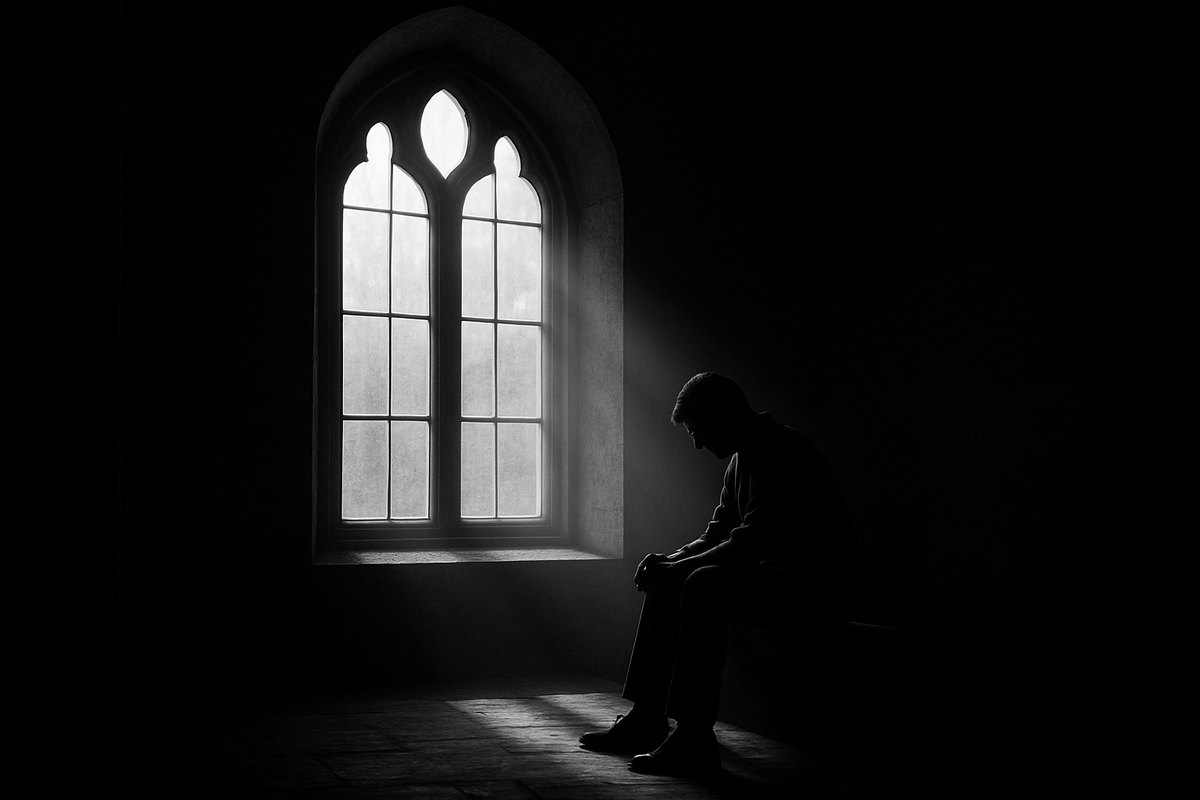
Healing is a word people use easily.
They mean well when they say it — “You’re healing now,” “You’re on the mend,” “You’re getting there.”
But the truth is: healing isn’t what people think.
It isn’t neat.
It isn’t steady.
It doesn’t move in a smooth upward line.
And it certainly doesn’t feel like “getting back to normal.”
Healing, at least in my experience, feels a lot more complicated than that.
Healing doesn’t feel like progress. It feels like survival.
From the outside, people imagine healing as a gradual climb.
From the inside, it feels like holding on — some days with both hands, some days with fingertips.
After being told I had a rare cancer, life didn’t shift into a movie-style montage of recovery and determination.
It shifted into survival mode.
Waiting for scans.
Waiting for appointments.
Waiting for clarity.
Waiting for the ground to feel steady under my feet again.
Then came surgery — and everything that followed.
Some days felt like a step forward.
Some felt like everything had stalled.
Most felt like I was simply trying to get through the day in front of me.
It didn’t look like progress.
But it was healing.
The emotional side of healing isn’t visible, but it hits the hardest.
People see the physical side — wounds, dressings, appointments, scars, treatments.
What they don’t see is the emotional aftermath.
The fear that comes in waves.
The moments your mind refuses to revisit — the surgery, the trauma, the things it has locked away.
The shock that sits deeper than you expected.
The days when you feel like crying but don’t even know where to begin.
The frustration of wounds that don’t follow the timeline you were promised.
The exhaustion of feeling “held back” by your own body.
The grief for the life you thought you were still living until the diagnosis changed everything.
Healing isn’t just physical repair.
It’s emotional reconstruction.
And that part is slow, quiet, and rarely recognised.
Healing looks slow because it is slow.
The days after surgery weren’t a dramatic transformation.
They were a mix of:
- unexpected setbacks
- dressings and re-dressings
- the wound that refused to close
- pain that shifted rather than disappeared
- the physical limits that made progress feel out of reach
- the strange sense of limbo between “ill” and “recovering”
Recovery is rarely the upward line people assume.
It’s a series of small shifts — forward, back, sideways, stillness, then forward again.
It’s slow, because it has to be.
Healing isn’t heroic. It’s human.
People often say things like “You’re strong,” “You’ve got this,” “You’re so brave.”
All said with kindness. All meant sincerely.
But inside, those words can feel very different.
Because healing doesn’t feel like strength.
It feels like uncertainty.
It feels like coping.
It feels like exhaustion.
It feels like trying your best with whatever you have that day.
It feels like doing the next small thing because that’s all you can manage.
When someone says “You’re strong,”
part of you wants to believe it,
but another part quietly thinks,
“I don’t feel strong at all. I’m just trying.”
Healing isn’t dramatic bravery.
It’s raw, human effort — honest and imperfect.
And that’s enough.
Healing is learning to live with what happened, not pretending it didn’t.
I used to think healing was about “getting back” to who I was before.
But that person didn’t know what was coming.
He hadn’t been through the diagnosis.
He hadn’t faced the surgery.
He hadn’t stood in the long, quiet aftermath.
You don’t return to who you were.
You grow around what happened.
You adapt.
You find new ways of living, thinking, coping, hoping.
Healing isn’t about erasing the experience.
It’s about carrying it without letting it crush you.
Some days that feels possible.
Some days it doesn’t.
Both days are healing.
You’re allowed to feel all of it.
The gratitude.
The sadness.
The frustration.
The exhaustion.
The uncertainty.
The moments of hope.
The moments of heaviness.
The moments you just want to rest.
The moments you don’t know how you feel at all.
There’s no wrong way to heal.
There is only your way.
And that is enough.
⭐ If you’re reading this because you’re healing too…
You don’t have to feel strong.
You don’t have to pretend you’re brave.
You don’t have to be positive all the time.
You’re allowed to feel exactly what you feel.
Healing isn’t a test you pass.
It’s a process you live through — with honesty, patience, and the small, quiet courage of showing up to each day.
If you’re here, working through it in your own way, you’re already doing more than you realise.
Occasional writing about healing, rebuilding, and the quiet role technology plays.
No schedule. No noise. Just reflections when there’s something worth saying.